Flooding, fires, landslides, and more—Lil’wat Nation and our traditional territory is being impacted by climate change in many ways.
One of the biggest floods in recent memory happened in October 2003. During this big flood, the roads were blocked and the Lil’wat people couldn’t go to town to get supplies like food and baby diapers. The flood was so big that 800 people were forced to leave their homes in Squamish, Pemberton and Mount Currie, and another 5,000 residents were on evacuation alert. At least two people died and two more went missing after a bridge was washed out by the raging Rutherford Creek.
One of the most devastating recent events in our territory was the wildfire in Lytton on June 30, 2021. The fire rapidly torched the whole small town. Several people were initially unaccounted for, and eventually two were found dead. My dad is a firefighter, and he goes to fight fires wherever he is needed. It’s pretty cool for him to do that, but also dangerous to have that kind of job. When he gets shipped out to fight a wildfire, our family sure misses him. One day, I want to follow my dad in taking care of our land by fighting wildfires.
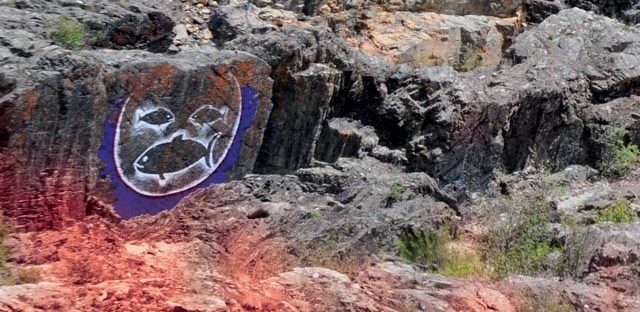
On June 23, 2019, there was a landslide north of Lillooet in a remote canyon along the Fraser River. About 110,000 cubic metres of rock fell from a 125-metre-high cliff into the river. During that time, the salmon were spawning, and were unable to swim through the debris. Officials enlisted the help of a helicopter to fly the salmon over the slide so they could reach their spawning grounds. Over the past few years, the salmon runs have been much lower than before, but this past year the fish runs have thankfully been better. When I am out fishing with my family, we see a lot of jumping salmon and I hope it’s a good run of salmon this year.
During summer break, my family and I go berry picking for our winter supplies. In recent years, we’ve noticed that our wild berries ripen a couple weeks faster than in the past. When we pick berries, we get up to 16 quarts, picking three hours a day, five days a week for two weeks before they dry out. Some days, the temperature rises to 44 C, drying out the berries faster. But we still keep picking so we can make jam out of the berries. Once our family has completed our berry harvest, we share with Elders who need them, or give them to anyone else who is in need. Then sometimes we go out again to pick more for ourselves the next day.
A typical year for my family starts with planting our vegetables in mid-May. In June and July we do the berry and cherry picking so we can preserve them for the winter season. In August, we harvest vegetables, and hand them out to the Elders first. In September, we go sockeye salmon fishing, again giving them out first to the Elders and anyone who needs salmon and cannot go out and fish for themselves. We also give a lot of fish to the school for the annual salmon barbecue.
In the fall, we move on to mushrooming just for fun, and we also do lots of hiking. After that, we move on to hunting season. We also hand out deer meat when it’s our first catch of the season. This is a tradition that Lil’wat People have followed for many generations. With our first catch, we can’t even keep a small piece. We hand all of it out to the community; first to the Elders, and then to whoever needs it the most. Then the winter comes, and in the spring we start all over.
We do most of our fishing and tswan (drying fish) at Bridge River. When we hang the tswan down at our fish camp, we wait for them to dry and then we bring some of them home over the mountain to give away or freeze. My siblings, cousins and I carry our catch up the trail. The trail is very steep, so it’s a workout—but it’s worth it. Sometimes, just the older kids do the tswaning, because the Elders can’t get down the steep trail and sometimes the little ones can’t go down because the water is too rough.
My family has noticed many changes on Lil’wat Nation land, water and rivers due to climate change. Sometimes the seasons come too fast or are too short, and the temperatures exceed historic records. I worry about climate change, and hope that we will continue our traditional activities like fishing and berry picking. Hopefully, by educating people and by taking steps to reduce our impact on the environment, we can protect our territory for generations to come.
This article was written by Katie Joe, and was first published in the Pique newsmagazine issue 30.24 on June 16, 2023.
The photo is by Jack Christie, from the Pique.

 The Wellness Almanac