Prescription drugs are synthetic, two-dimensional, bioactive molecules that our bodies view as alien and potentially harmful.
Drug dosing is therefore precisely calculated to overwhelm our capacity to detoxify and eliminate them completely.
In this way, a portion of the dose remains in the body to effect the desired changes in the disease process and the unused portions are excreted into the water table via waste water treatment plant effluent.
Presumably, Mother Nature has no idea how to get rid of these synthetic molecules because environmental drinking water studies reveal that they are accumulating.
In the water supply of five major Canadian cities there are detectable levels of antibiotics, blood pressure medications and contraceptive drugs. The synthetic estrogens are interfering with the ability of fish to breed & reproduce. Antibiotics lie in our sewers & participate in the evolution of antibiotic resistant bacteria. Blood pressure reducing medication is delivered in miniscule amounts to everyone drinking the contaminated water.
Experts believe that because the residue amounts are so tiny, we don’t need to worry about harmful effects. This may or may not be true but no one is prepared to reassure us that drinking a chemical soup composed of various drugs as well as the herbicides, pesticides and industrial wastes that also pollute our water supplies is without health risks.
Environmentally and financially we cannot afford to take a different pill for each of our symptoms and more pills to deal with the side effects of our pills. Sometimes drugs are essential to preserve life but more often they are not.
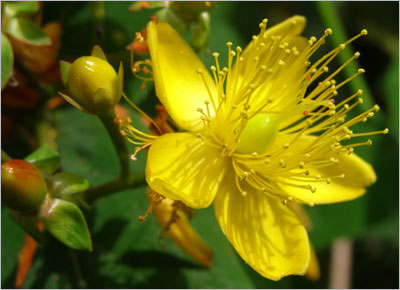
The World Health Organization estimates that 75% of the global population relies on herbal medicine to treat disease and medical doctors in China, India & Germany are trained in the application of their traditional herbal remedies. In Germany, St John’s wort is the most commonly prescribed anti-depressant. This humble plant that grows freely along our roadsides has been found in clinical trials to be as effective as pharmaceuticals in the treatment of depression without the unpleasant and sometimes serious side effects of prescription antidepressants.

There is cellular harmony between plants and animals sharing the same environment. Herbal medicines are comprised of living, three dimensional, bioactive molecules that our bodies recognize and know how to use and there is much evidence to suggest that plant constituents provide superior treatment for chronic disease.
New Age herbalism combines the wisdom of our ancestors with the most recent findings of scientific inquiry in the belief that good medicine must be both empirical and rational.
Valuing our healing traditions and choosing herbal remedies when they can provide effective treatment for our health concerns is an educated, forward-thinking choice and one that is respectful of the vital connection between human health and the health of our environment.
Please Note: People taking prescription drugs should not self-medicate with St. John’s wort as herb/drug interactions have been recorded.

 The Wellness Almanac