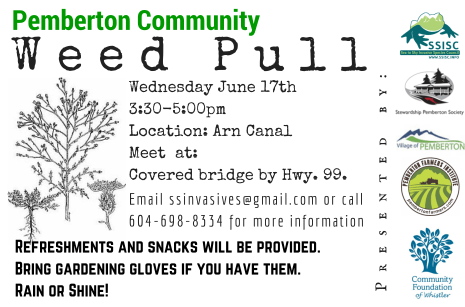
I cannot even tell you how therapeutic I find weeding. Imagine a weeding-mob?! Imagine a whole crew of you, gloves-on, refreshment-fuelled, ripping up weeds and invasive species, en masse? Well, you don't have to imagine it. You can just show up. Meet at the covered bridge by Highway 99 on the Arn Canal (that's the … Continue reading Pemberton Community Weed Pull, Wed June 17, 3:30pm, Arn Canal
Category: stewardship
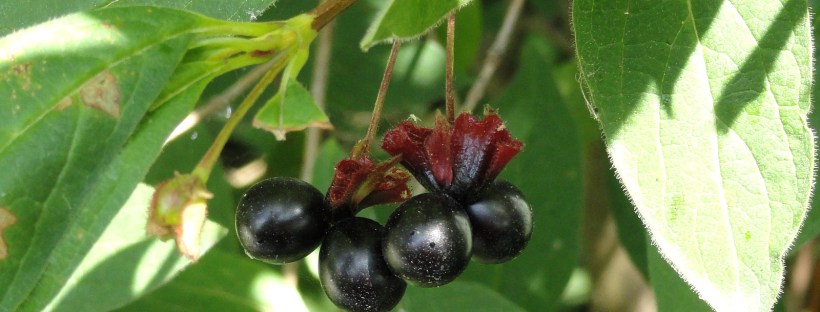
Twinberry honeysuckle – one berry best left for the birds and the bears
The berries are eaten by bears, small mammals, quail and grouse, and song birds such as thrushes. The flower is a source of nectar for hummingbirds and butterflies. The plant is host for the larva of certain butterflies. But they're not edible for humans. Best to tell the kids they're poisonous.
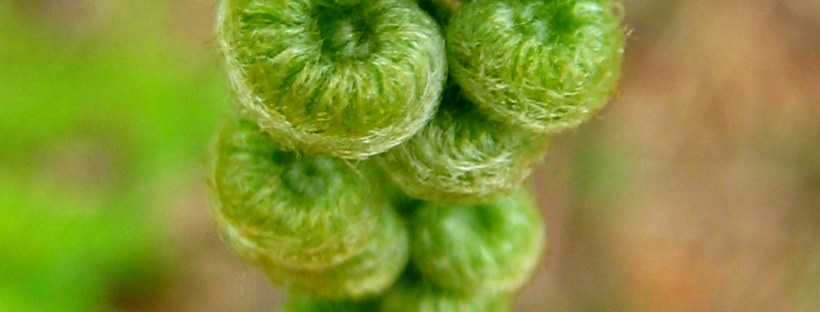
Bracken Fern, producer of fiddleheads, means “eagle like fern”
Fossil evidence suggests that bracken fern has had at least 55 million years to evolve and perfect antidisease and antiherbivore chemicals. It produces bitter tasting sesquiterpenes and tannins, phytosterols that are closely related to the insect moulting-hormone, and cyanogenic glycosides that yield hydrogen cyanide (HCN) when crushed. It generates simple phenolic acids that reduce grazing, … Continue reading Bracken Fern, producer of fiddleheads, means “eagle like fern”
Emergency toilet tissue when out in the bush? Thimbleberry has you covered
Look for the berries in July. You can make them into jam. And the thimbleberry leaf makes a good toilet paper substitute when you’re out in the woods!
Today’s Native Plant Love shout out goes to the Red Alder
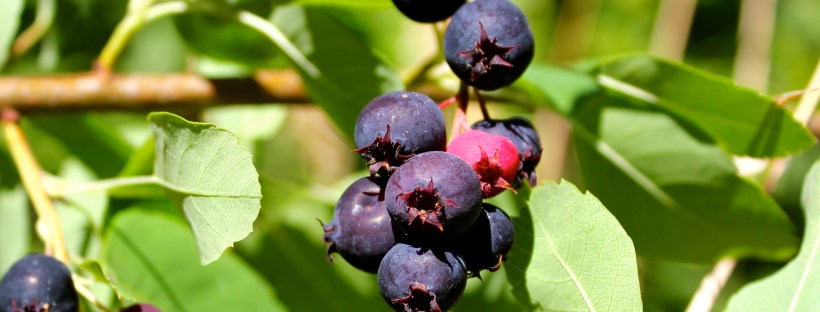
Photo of the Week: Saskatoon Berry
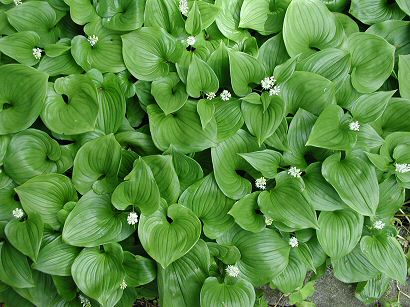
Signs of spring: the bodacious, liliaceous False Lily of the Valley
Halfway through our month-long immersion in native plants, I hit a point of overwhelm... There's so much to know! And these 30 feature plants are the tiniest fraction of species. The Native Plant Garden at One Mile Lake Nature Centre, alone, was planted out in 400 different plants. Then, I spoke with Dawn Johnson, and … Continue reading Signs of spring: the bodacious, liliaceous False Lily of the Valley
You are invited to unlock the landscape with language
We're halfway through our 30 day immersion in local plant knowledge, and happily, I can now recognise the Coastal Douglas Fir by its gnarly-thick bark. Thanks to a great conversation with Dawn Johnson about the project, I also realise that it's okay to approach this kind of learning in small chunks. It won't all stick … Continue reading You are invited to unlock the landscape with language
Roses are… hot pink, wild, and a medicine “for everything”
Did you know that you can make your own cough syrup with rose hips and honey?
Native Plant Love: What does a paper birch tree and your iphone have in common?
Sometimes, I wonder if nature and technology are duelling forces... if the presence of an iPhone, for example, while on a walk in the woods, somehow comes between me and the experience of being in Nature. But, I've sometimes taken a photo of something I didn't recognise and posted it on facebook, where several of … Continue reading Native Plant Love: What does a paper birch tree and your iphone have in common?